
Sephora attracts thousands of applicants every year, and a big chunk of them walk in thinking it’s all about loving makeup. That’s a fine starting point. But the hiring process rewards something more specific.
A Sephora runs like a fast-moving team sport, and the people who get hired fastest tend to understand that before they submit their first application. I think the Sephora careers page gets underused by candidates who find it easier to scroll Indeed. That’s a mistake worth fixing before you spend an afternoon writing cover letters.



This guide covers everything from where to find Sephora job openings to what actually happens inside the interview room.
Where Sephora Actually Posts Its Jobs
The official Sephora Careers site is where every real opening lives first. Third-party platforms like Indeed and Glassdoor pick up listings afterward, sometimes days later, sometimes with outdated details already baked in.
I find Glassdoor more useful for reading what current and former employees say about store culture than for finding fresh postings. It’s good research material, not a reliable application portal.
| Platform | Official Source | Best Use |
|---|---|---|
| Sephora Careers | Yes | Apply here first |
| Indeed | No | Compare role descriptions |
| Glassdoor | No | Read employee reviews |
The platform you apply through matters less than the accuracy of your application. But starting at the source removes a layer of noise.
Walking In Still Works
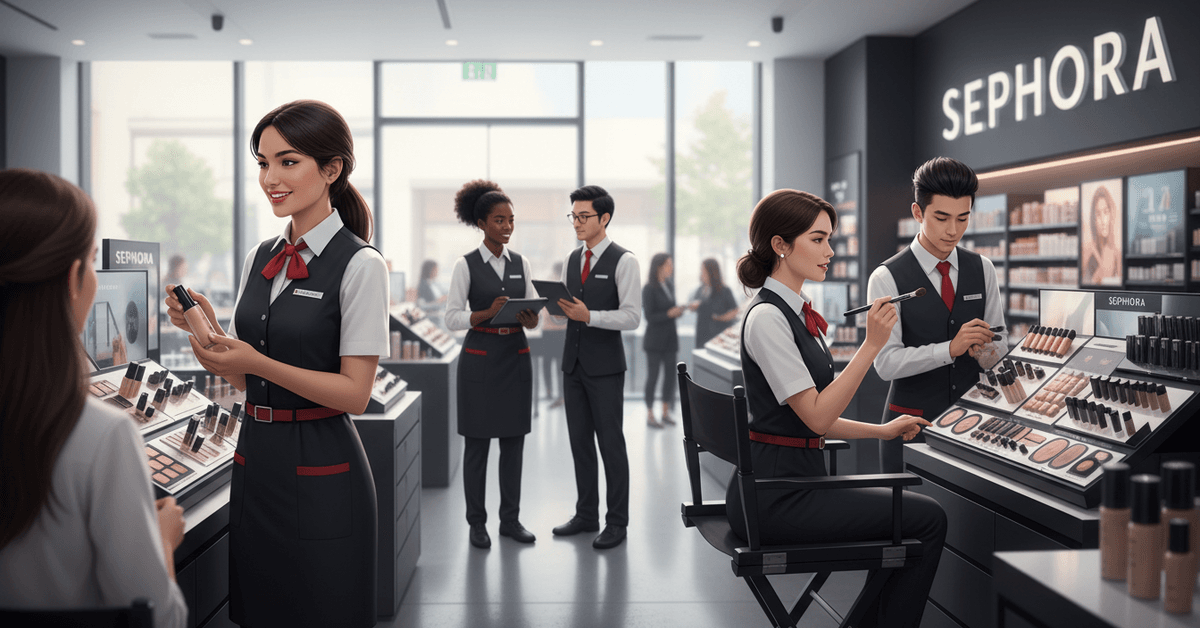
Applying online is standard. Handing a printed resume to a store manager still works in some locations, especially when a store is actively hiring for seasonal positions. Call ahead first.
A store mid-floor-set won’t have time to talk, but a quieter afternoon walk-in can leave a better impression than an email that takes two weeks to process.
What Sephora Roles Look Like
Sephora is not one job. The title “Beauty Advisor” is the entry point people know. But the same company also hires for stock and logistics, makeup artistry, cashier roles, training positions, and corporate functions like IT and operations.
The Roles Worth Knowing Before You Apply
- Beauty Advisor: Client-facing sales, product education, and sometimes color matching or skincare consultations
- Operations Associate: Stock, inventory, and back-of-house logistics, often a better fit for people who prefer structure over floor selling
- Makeup Artist: Requires demonstrated technique and is often recruited through portfolio or referral
- Beauty Lead / Supervisor: Internal promotion path, rarely posted externally
The job description tells you more than the title does. Read it carefully for shift expectations, because weekend and holiday availability is listed as a requirement in almost every store-level role.
Perks That Actually Vary by Location
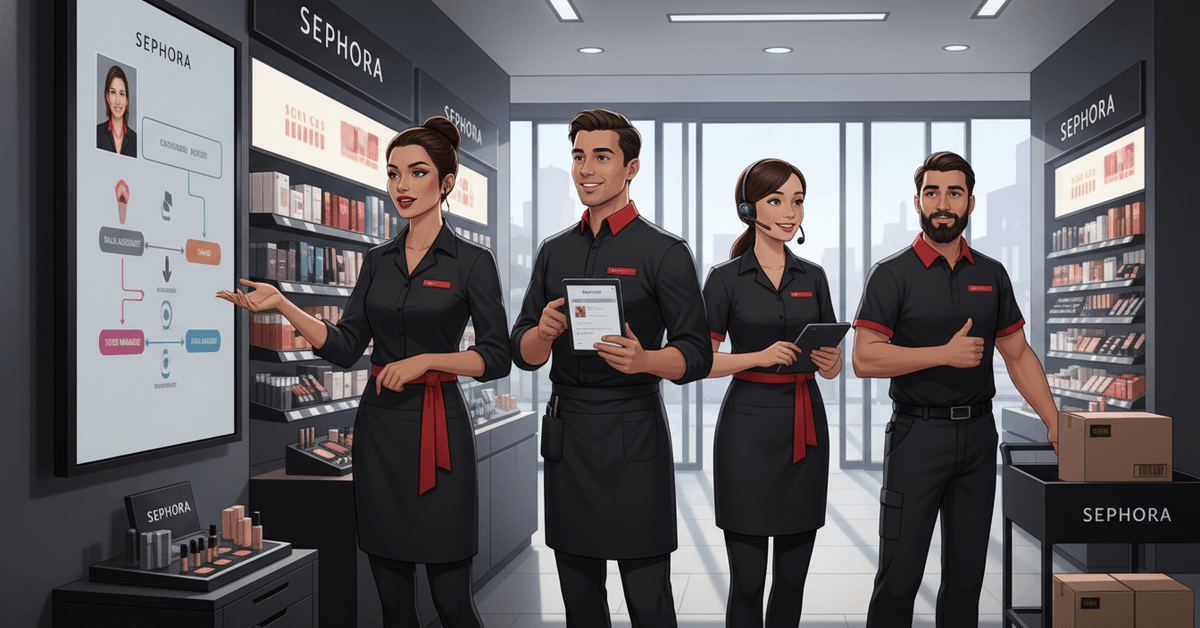
Staff discounts, health benefits, and bonus structures are listed as perks, but the details differ by country, contract type, and whether you are part-time or full-time.
A full-time beauty advisor in the US has a different benefits package than a part-time seasonal hire. Don’t assume the best version applies to your situation without checking the specific offer.
How to Build an Application That Gets Read
The Sephora online application is straightforward. Create an account on the careers portal, upload your CV, fill out the pre-assessment questions, and submit. The pre-assessment questions matter more than most people expect.
CV and Cover Letter Advice That Isn’t Generic
Customer service experience is the most useful thing to lead with, even if it came from a completely unrelated industry.
A year managing tables at a restaurant tells a Sephora hiring manager something about pace, client handling, and working under pressure. That reads better than a list of beauty products you own.
Cover letters don’t need to be long. A short, specific note about what draws you to the role and one real example of teamwork or problem-solving is enough.
Skip the paragraph about how passionate you are about beauty. Say what you did and what happened.
Relevant certificates, languages spoken, and any past retail or hospitality work all add value. One or two strong, specific experiences beats a padded five-page CV every time.
What to Do After You Submit
Applications at popular locations can take over a week to process. Set a calendar reminder to follow up after ten days if you haven’t heard back.
A short, polite email through the portal contact is appropriate. Most candidates don’t follow up at all, which makes the ones who do slightly more memorable.
The Interview Process, Stage by Stage
First contact is usually a phone screen with a recruiter or store manager. The questions are fairly predictable, so prepare specific answers ahead of time rather than winging it.
Common questions you’ll get:
- Why do you want to work at Sephora specifically?
- Describe a time you handled a difficult customer interaction.
- How do you manage a busy or stressful shift?
- Are you available on weekends and holidays?
- Which area interests you: sales, artistry, or operations?
The in-person or video interview often includes a short role-play. A manager might pretend to be a customer asking for a skincare recommendation. I think most candidates make this harder than it needs to be.
The manager wants to see that you can listen, stay calm, and recommend something with a reason attached. Perfect product knowledge is secondary to a friendly, confident approach.
Group interviews happen at some locations, particularly for larger seasonal hiring rounds. The same logic applies: be direct, listen when others speak, and don’t perform.
What Gets Someone Actually Hired
I’ve read enough Glassdoor reviews across Sephora locations to notice a pattern: candidates who get hired and stay hired tend to talk about the job as a team function, not a personal stage. The stores that run well run because everyone covers each other.
The qualities that show up consistently in successful candidates:
- Approachable and easy to talk to under pressure
- Flexible on scheduling, not just theoretically
- Curious about product knowledge, not just familiar with it
- Comfortable making recommendations without being pushy
- Honest about what they don’t know
That last one matters. A candidate who says “I’d look that up and come back to you” in a role-play is often more impressive than one who guesses confidently and gets it wrong.
My Contrarian Take on Interview Prep
I genuinely disagree with the advice that says you should memorize Sephora’s brand lineup before your interview.
Hiring managers at store level care far more about whether you can hold a conversation with a stranger than whether you can name every brand in the fragrance section.
Product knowledge is trainable in two weeks. A natural, warm communication style is harder to teach, and it’s what actually drives sales numbers.
Growing Inside Sephora After You’re Hired
Sephora promotes from inside at a rate that makes entry-level roles genuinely worth taking seriously.
Beauty Advisors move into lead roles, department specialist positions, and store management tracks. Regional roles exist for people who build a strong enough performance record.
The path isn’t automatic. Expressing interest in growth to your manager early, ideally in the first 90 days, puts you on the radar for training opportunities and internal postings. Employees who wait to be noticed tend to wait longer than those who ask directly.
Work-life balance in retail is imperfect by design. Evenings, weekends, and holiday seasons are part of the deal.
Teams that communicate well about scheduling tend to manage it better than those that don’t, but there’s no version of retail floor work that avoids peak hours.
Regional and Legal Requirements Worth Knowing
Depending on where you apply, documentation requirements differ. US applicants need proof of work eligibility under USCIS Form I-9 rules.
European applicants should know that Sephora’s application data storage falls under GDPR, meaning there are rules about how long your information is held and how it’s used.
Check national employment authority websites for age minimums and contract requirements specific to your country.
Questions People Ask About Working at Sephora
Q: Does Sephora hire people with no makeup experience? Sephora hires for operations, cashier, and stock roles where makeup knowledge isn’t a factor. Customer service skills and schedule flexibility carry more weight for those positions than product familiarity does.
Q: How long does the Sephora application process take? At busy locations, the process from application to offer can run three to four weeks. Phone screens sometimes happen within days of applying, but in-person interviews and decision-making take longer during peak hiring periods.
Q: Can you move from part-time to full-time at Sephora? Transitions from part-time to full-time do happen, but they depend on store staffing needs and performance. Expressing interest early and picking up extra shifts when available tends to accelerate the process.
Q: Do you need a beauty-related degree to work at Sephora? No degree is required for store-level roles. Certifications in esthetics or cosmetology can help for specialist or makeup artist positions, but they’re not a baseline requirement for most advisor or operations roles.
Q: What’s the best way to stand out in a group interview? Listen more than you talk. Managers running group interviews watch for candidates who respond to what others say, not just those who speak loudest. A calm, specific answer to one question beats five rushed answers.
Conclusion
Sephora’s hiring process rewards candidates who do the simple things well and skip the performance.
An honest, specific application beats a polished one every time. The stores are looking for people who make customers feel helped, not sold to.
Get your CV in through the official site, prepare two or three real examples from past work, and walk into the interview ready to have an actual conversation. That combination gets more callbacks than any amount of product memorization..