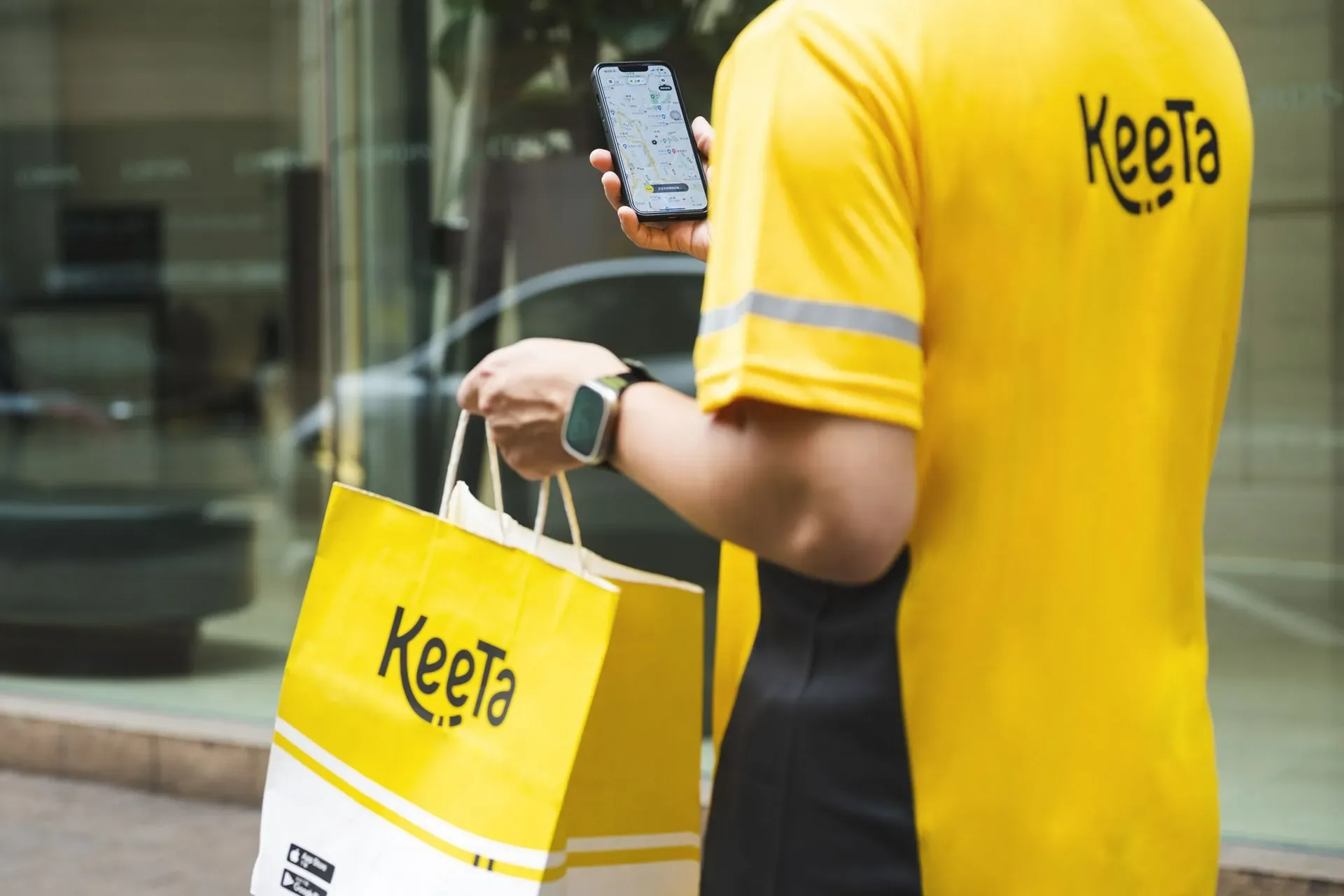
Keeta rider and courier roles place you directly inside the fast-growing delivery economy, handling app-assigned orders from pickup to final drop-off.
Through the platform, you receive real-time delivery requests, follow built-in route navigation, and complete each trip within the expected timeframe — all managed inside one system.
While daily routines can vary based on demand and service areas, the core workflow stays straightforward: accept the order, navigate to pickup, confirm collection, and complete the delivery.
This structured flow makes the role accessible for new couriers while still offering consistent earning opportunities for active riders.
Keeta rider and courier roles: what’s the difference in practice
In many markets, “rider” usually refers to couriers delivering by motorcycle, scooter, or bicycle.
“Courier” can be a broader label that includes car drivers and other delivery modes.
Regardless of vehicle type, Keeta’s courier app is positioned as the main tool to receive orders in real time and view pickup and delivery details.
If a city has multiple delivery modes available, the recruitment portal or onboarding team typically assigns or confirms your vehicle type.
How earnings and scheduling are commonly framed
See:
| Region / Market Example | Estimated Monthly Range* | Notes on Structure |
|---|---|---|
| Middle East (e.g., UAE, KSA) | USD $800 – $1,500 | Order-based pay + peak incentives; high-demand cities may offer bonuses |
| Southeast Asia | USD $500 – $1,100 | Per-delivery fee + surge hours; depends on vehicle type |
| Latin America | USD $400 – $900 | Order distance, fuel costs, and incentive programs affect totals |
| Part-Time Riders (Any Region) | USD $200 – $600 | Depends on weekly active hours and order acceptance rate |
Basic eligibility and requirements to expect
Across Keeta recruitment pages and app listings, a common baseline expectation is that couriers have a compatible smartphone.
Some Keeta recruitment flows explicitly list being at least 18 years old and having a bank account and valid local identification details.
You should also expect checks tied to local road rules, such as the correct license for the vehicle you plan to use and any required insurance.
Because requirements can change by region, the most reliable approach is to start the official sign-up flow for your market.
Documents and account details commonly requested
Many courier platforms require identity verification, which can include government ID details and a bank account in your name for payouts where supported.
Device requirements can matter, and Keeta’s recruitment materials may specify minimum phone OS versions in some markets.
If you are riding a motorbike or driving a car, local licensing and legal work eligibility rules can apply before you’re allowed to deliver.
Equipment and vehicle expectations
If you deliver by bike or motorbike, you may need safety gear that meets local standards, even if it is not always spelled out on general pages.
Some markets may allow different delivery methods, so your vehicle choice can affect the types of orders you receive and the areas you can cover.
Always prioritize legal compliance for your vehicle type, because platform access can depend on passing verification and staying compliant over time.
Where to find official Keeta rider and courier application pages
Keeta publishes courier sign-up pages that describe becoming a courier and highlight service-fee earning and peak-hour incentives.
Because some Keeta recruitment portals are region-specific, you may be routed to a localized page based on your country or language selection.
Keeta also distributes a “Keeta Rider” courier app on major app stores, and those listings describe the app’s purpose and core courier features.
If you see multiple domains, prioritize those clearly tied to Keeta’s global sites or official courier portals, and verify the page content.
Using the courier app as part of onboarding
The Keeta Rider app listing explains that couriers receive orders in real time, view pickup and delivery addresses, and use navigation features.
In many delivery ecosystems, onboarding includes installing the courier app, logging in with verified details, and completing in-app steps.
If your market uses a web recruitment form first, you may be asked to submit details and then receive follow-up instructions for app setup and verification.
How to spot third-party recruiter posts
If a listing does not clearly show it is from Keeta or a verified partner, treat claims about salary, visas, or guaranteed income.
A safer method is to cross-check any third-party offer against the official courier sign-up pages and only proceed if the details match the official process.
When in doubt, start from the official Keeta courier portal and use it as your reference for requirements, steps, and data submission.
Step-by-step application process for Keeta rider and courier roles
Most applicants can begin by choosing the correct Keeta courier recruitment page for their market and starting the sign-up flow.
You typically provide basic personal details and confirm your preferred delivery mode, such as bike, motorbike, car, or walking options if available locally.
After initial registration, the next step is usually identity and eligibility verification, which can include document uploads and confirmation of payout details.
Once verified, you usually complete onboarding steps that may include app installation, basic training, and confirmation that you understand expectations.
Tips to stand out and stay active once approved
Reliability matters in delivery work, so consistent pickup habits, careful handling, and accurate drop-off confirmation can help you maintain good standing.
Being responsive in the app and keeping your phone and GPS working smoothly can reduce missed orders.
Peak-hour patterns can affect order volume, so learning your city’s busy windows can improve your earning consistency.
Finally, always follow local traffic rules and safety practices, because platform access and long-term earning potential depend on compliance and safe performance.
Safety and compliance habits that help
Use proper protective gear and follow road laws, because delivery platforms typically expect legal and safe operations even when incentives encourage speed.
Keep your phone mounted or handled safely so you are not distracted while moving, and rely on the app’s navigation without compromising traffic awareness.
If a delivery location is unclear, contact support or the customer through the app workflow rather than guessing, because failed deliveries can affect your record.
Choosing the most reliable information sources
Use official Keeta courier recruitment pages and official app store listings as your primary references for requirements and onboarding steps.
Treat social media posts as leads only, because they can reflect subcontractors, outdated promos, or market-specific offers that do not apply to you.
If you want broader context on Keeta’s expansion and where it operates, rely on established reporting outlets rather than rumors or reposted claims.
Conclusion
Keeta rider and courier roles are built around app-based order management, verified onboarding, and locally compliant delivery operations.
The safest way to apply is to use the official Keeta courier recruitment portal and complete all required identity and vehicle verification steps carefully.
Because requirements and earning structures vary by country and city, always confirm the exact details shown for your market before submitting.